
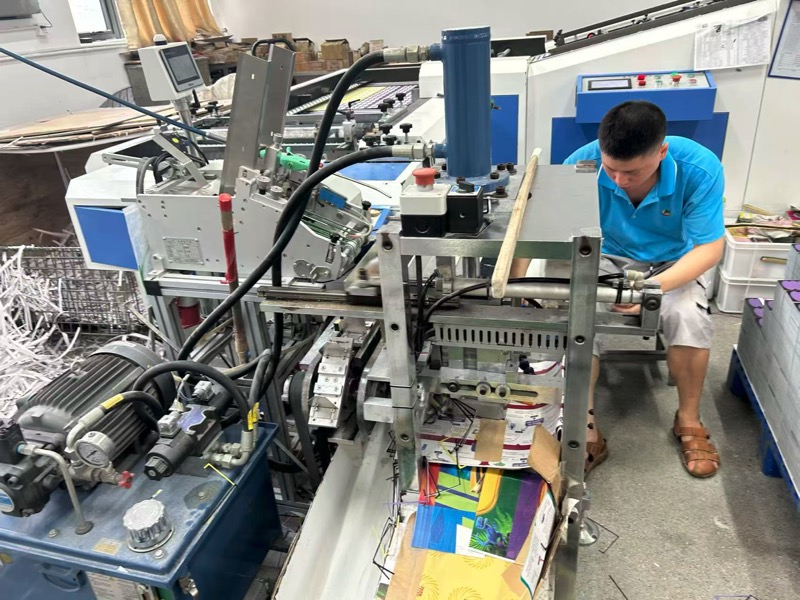
How to Print a Children’s Board Book: A Complete Guide
Children’s board books are one of the most durable and engaging book formats for babies and toddlers. Unlike standard paperback books, board books are made from thick paperboard with rounded corners, making them safe for young readers and resistant to everyday wear.
Whether you’re an independent publisher, educational company, toy brand, or author, understanding the board book printing process helps ensure a successful project.
What Is a Board Book?
A board book is printed on thick paperboard, usually between 350gsm and 450gsm per sheet, then mounted together to create pages approximately 2–3 mm thick. The sturdy construction allows children to turn pages easily while preventing tearing.
Common Applications:
- Baby books
- Picture books
- Educational books
- Lift-the-flap books
- Sound books
- Interactive learning books
The 8-Step Printing Process
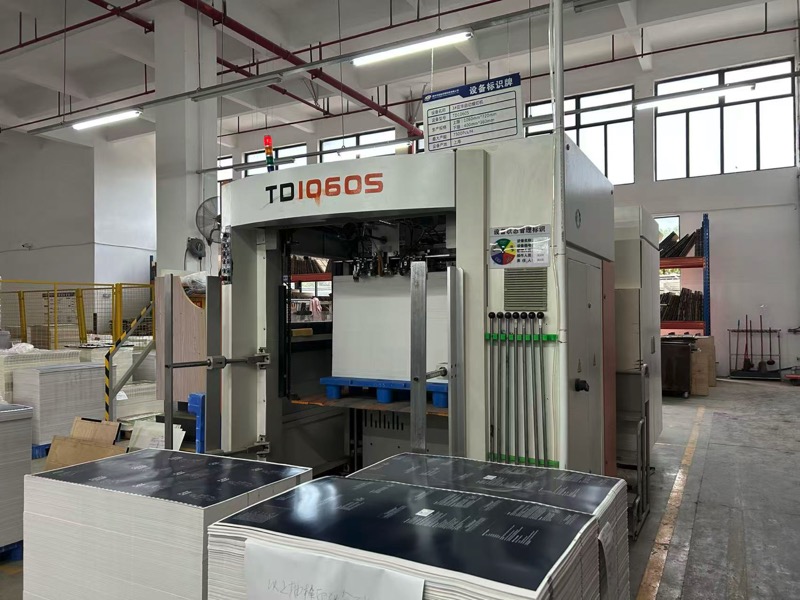
Step 1: Prepare Your Artwork
Before production, prepare print-ready PDF files. Important considerations include:
- CMYK color mode
- 300 DPI resolution
- 3 mm bleed
- Safe margins
- Fonts converted to outlines
Step 2: Choose Materials
Typical materials include:
- FSC-certified paper
- Grey board / White board
- Soy-based inks
- Water-based varnish
Note: Many publishers now prefer FSC-certified materials to meet sustainability requirements.
Step 3: Printing
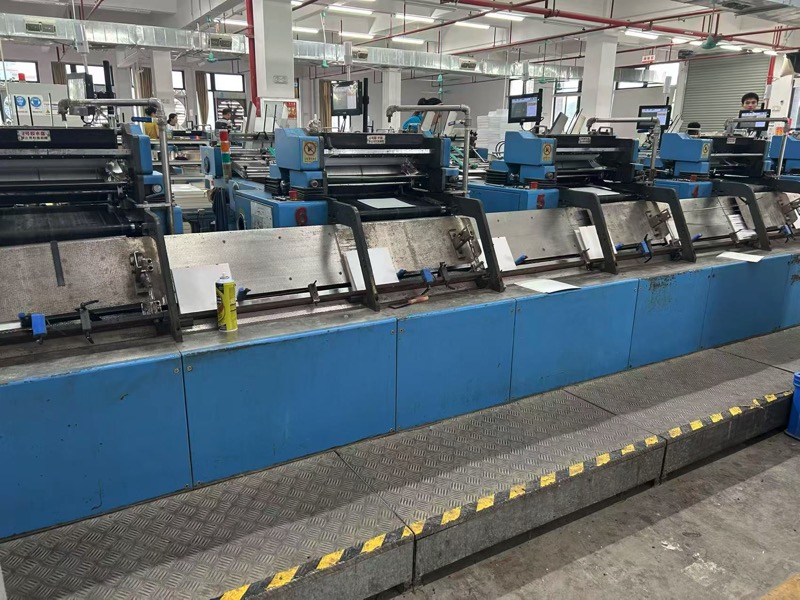
- Offset Printing: For large orders, provides superior image quality and lower unit costs.
- Digital Printing: Suitable for prototypes and small quantities.
Step 4: Lamination
The printed sheets receive a protective layer to prevent moisture and scratching. Options include:
- Matte lamination
- Gloss lamination
- Soft-touch lamination
Step 5: Mounting
Printed sheets are glued onto thick board before being pressed under high pressure. This process creates the durable thick pages characteristic of board books.
Step 6: Die Cutting
Each page is die-cut to its final size. Popular sizes include 6″ × 6″, 7″ × 7″, 8″ × 8″, or custom sizes. Rounded corners are highly recommended to improve child safety.
Step 7: Binding
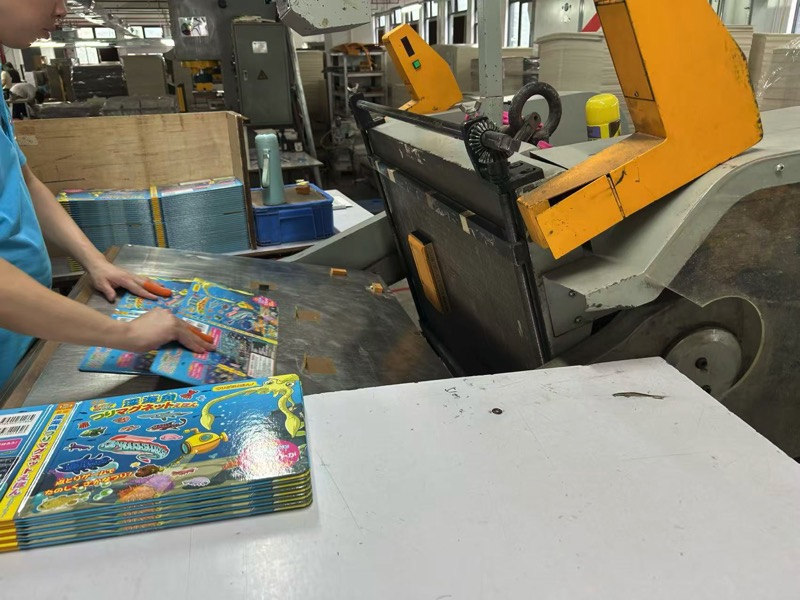
Board books use specialized board book binding rather than traditional book binding. The pages are securely glued together to withstand repeated use.
Step 8: Quality Inspection
Professional manufacturers inspect:
- Color consistency
- Glue strength
- Page alignment
- Corner smoothness
- Safety compliance
Why Manufacture in China?
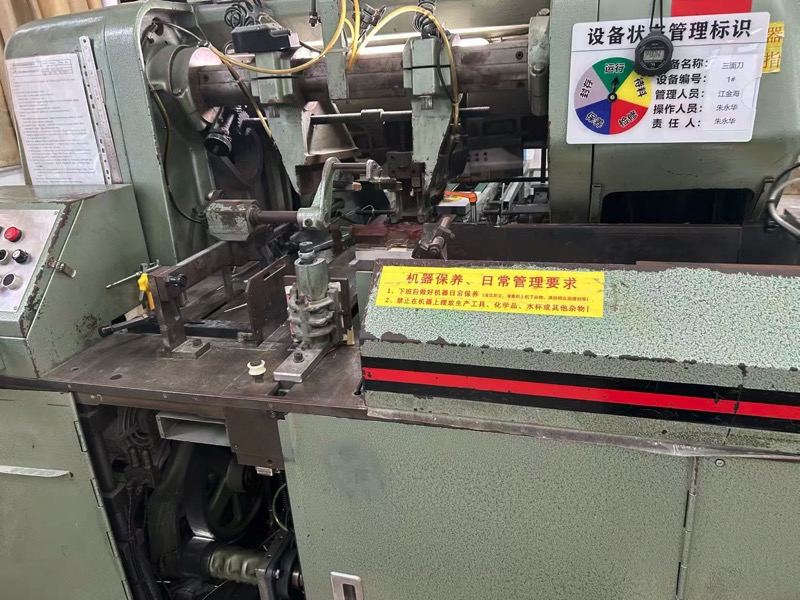
China remains one of the world’s leading board book manufacturing centers because of:
- Competitive pricing
- Advanced equipment
- Experienced workers
- FSC-certified production
- Large production capacity
Conclusion
Choosing an experienced board book manufacturer ensures high-quality products, competitive pricing, and reliable delivery. Whether you need a simple picture book or an interactive sound book, professional custom board book printing makes all the difference.


