
Two popular techniques are gilded book edges and printed or coloured book edges. Although both decorate the outer page block, they create very different effects and involve different production processes.
What Are Gilded Book Edges?
Gilded book edges are page edges finished with a metallic gold, silver, copper, or other metallic effect. Gold edges are especially common for premium editions, commemorative books, religious books, luxury journals, and gift products.
The effect can range from bright metallic gold to a softer antique or matte metallic finish. The final appearance depends on the material, surface preparation, edge smoothness, and production method.
Typical Gilded-Edge Production Steps
The exact process may vary by factory and material, but a typical workflow includes the following stages.
1. Preparing and Binding the Book Block
The printed text pages are folded, gathered, sewn or glued as required, and formed into a completed book block. The page block must be accurately aligned before edge treatment begins.
2. Compressing the Page Block
The book block is clamped tightly so that the pages remain stable and the edge surface is even. If pages shift during this stage, the edge finish may become uneven.
3. Trimming and Sanding the Edges
The three exposed sides of the book block are trimmed to create clean edges. Depending on the finish requirement, the edges may also be sanded or polished to create a smoother surface.
A clean, smooth page edge is important because metallic finishing can highlight imperfections.
4. Applying the Metallic Finish
A metallic layer is applied to the prepared page edge. Depending on the chosen process, this may involve metallic foil, leaf-like material, metallic pigment, adhesive systems, heat, pressure, or specialised edge-finishing equipment.
The goal is to create a uniform metallic appearance without excessive cracking, flaking, or uneven coverage.
5. Drying, Curing, or Stabilising
The metallic finish must be allowed to stabilise before further handling. This step helps improve adhesion and reduces the risk of marks during later production stages.
6. Quality Inspection
The page edges are checked for colour consistency, adhesion, corner quality, clean trimming, and surface damage. The book is then cased in or completed with its cover components.
What Are Printed or Coloured Book Edges?
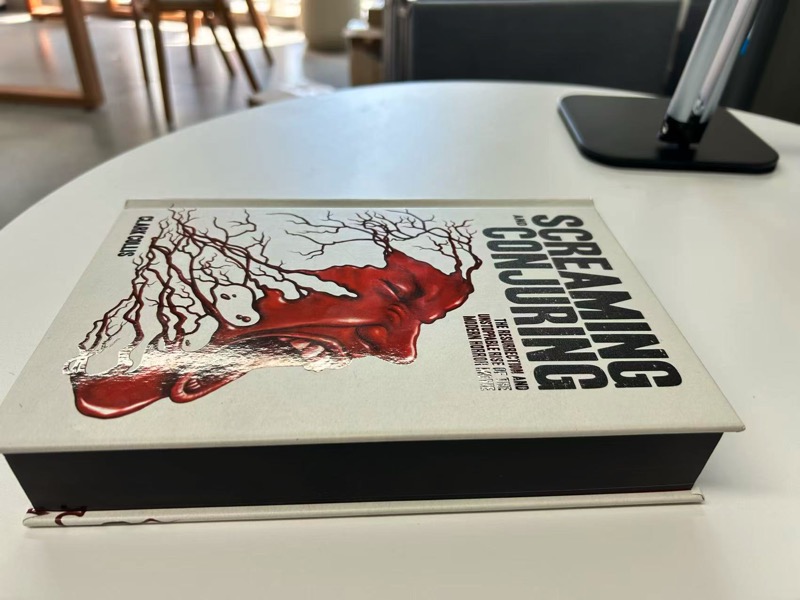
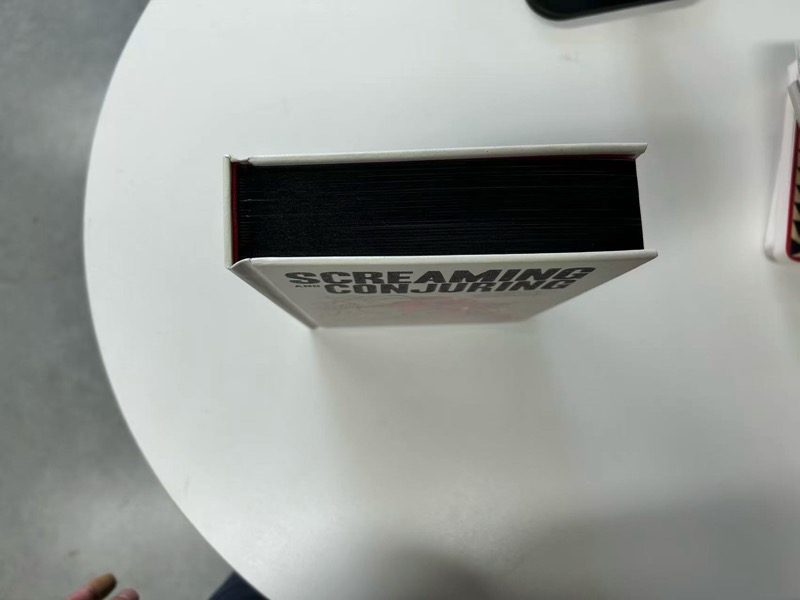
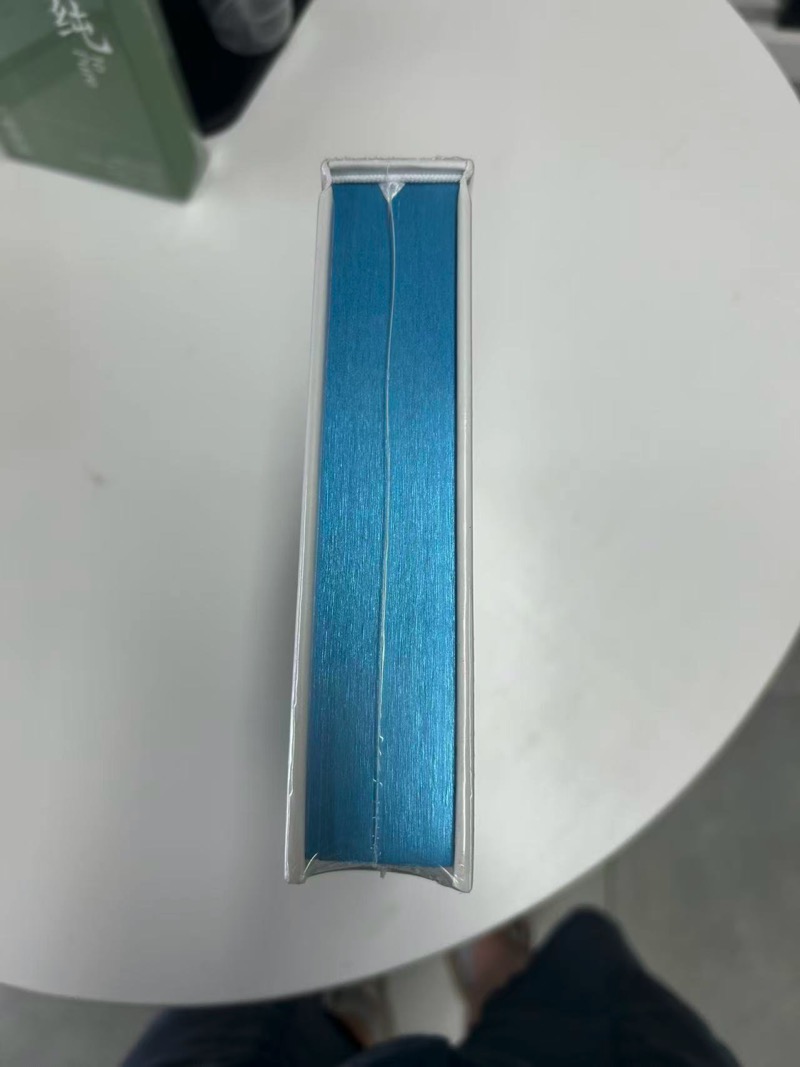
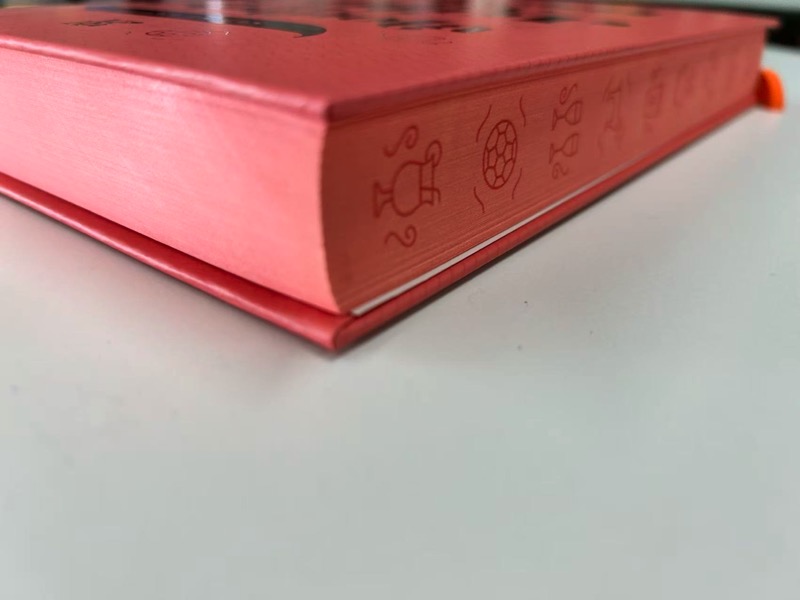
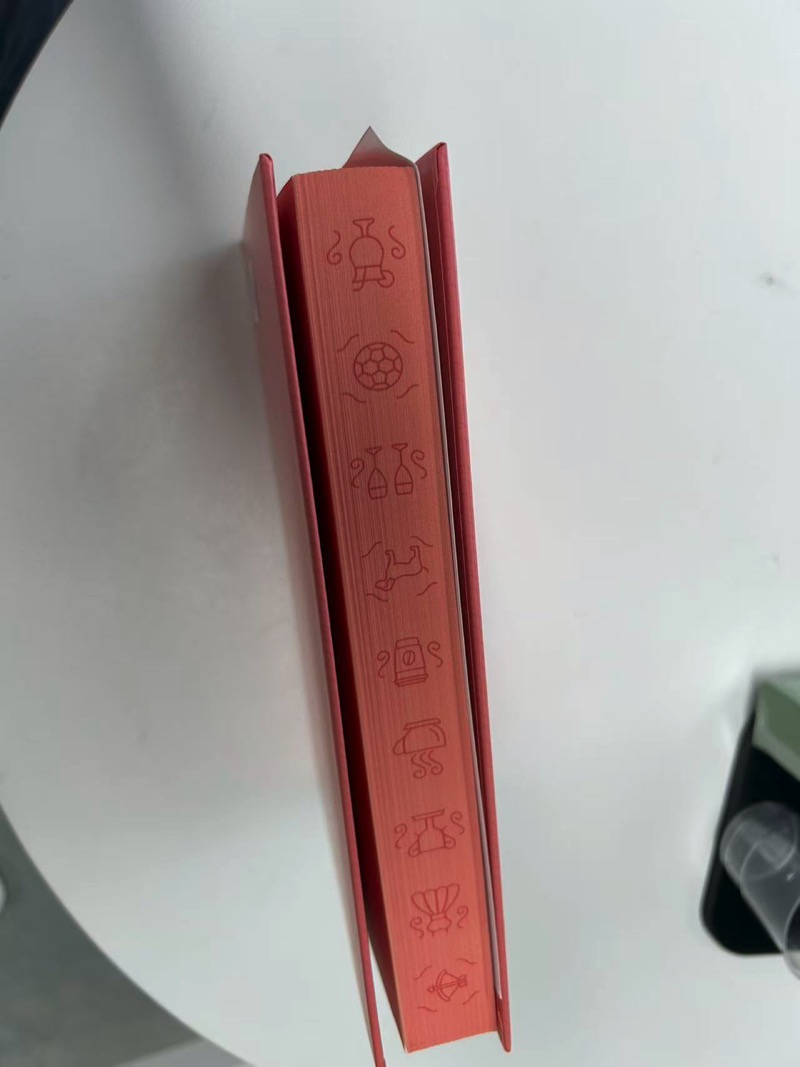
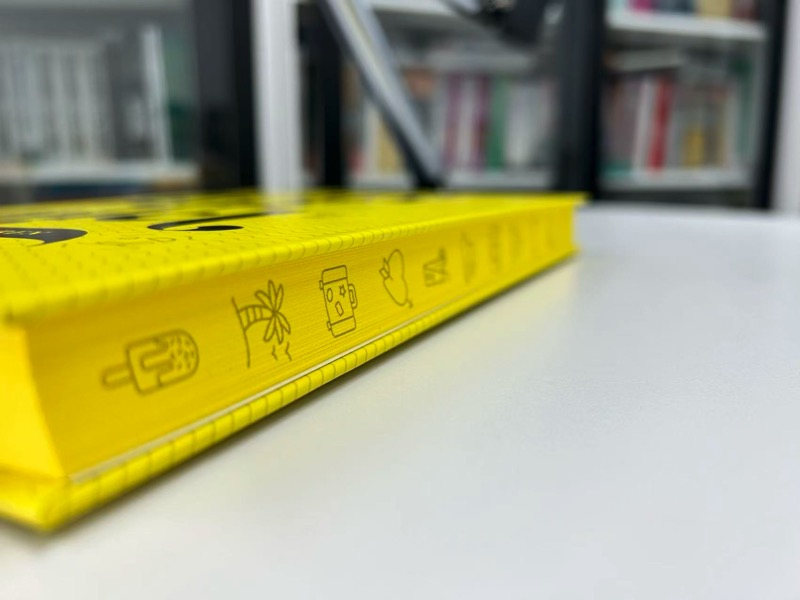
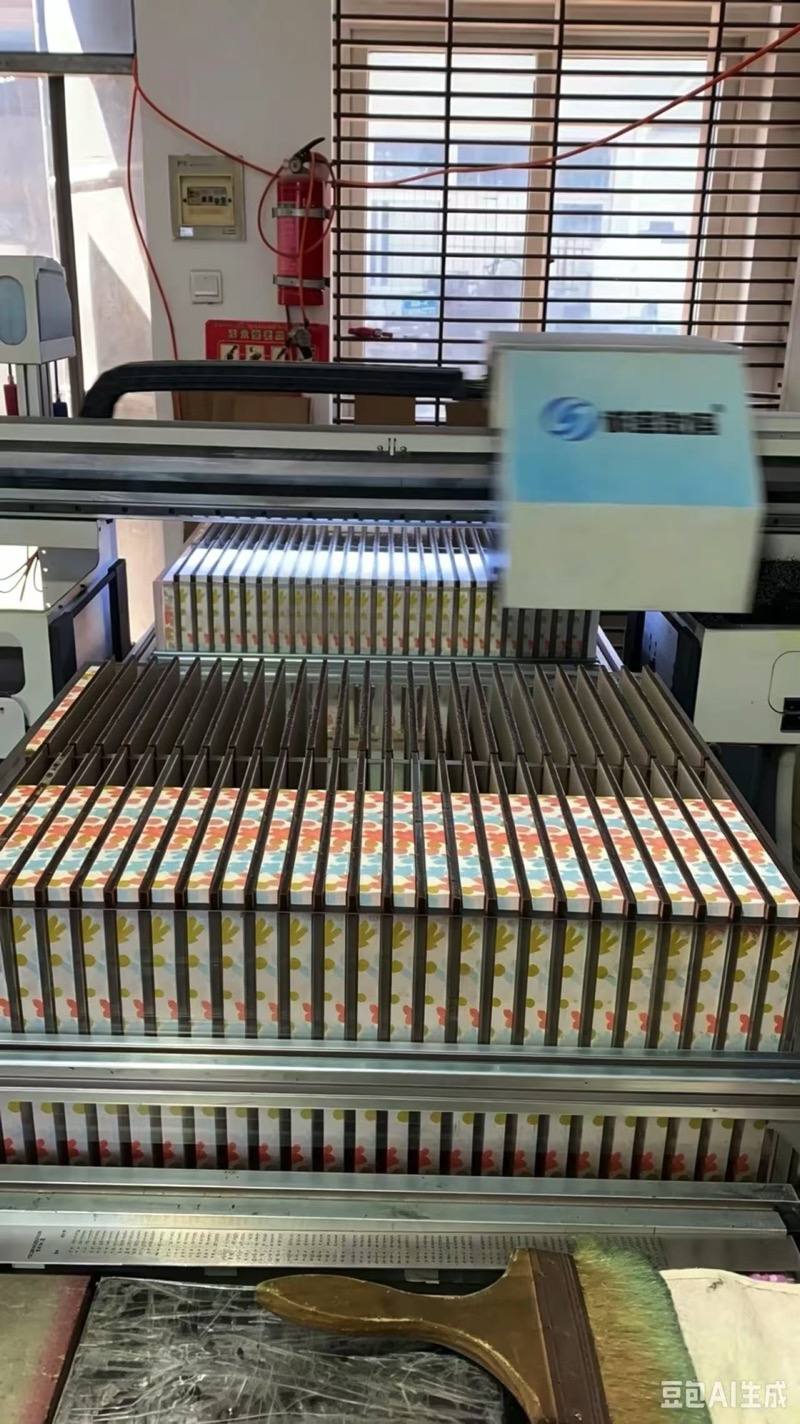
Printed book edges, sometimes called sprayed edges, stained edges, or digitally printed edges, use colour, patterns, illustrations, text, or decorative designs on the outside page block.
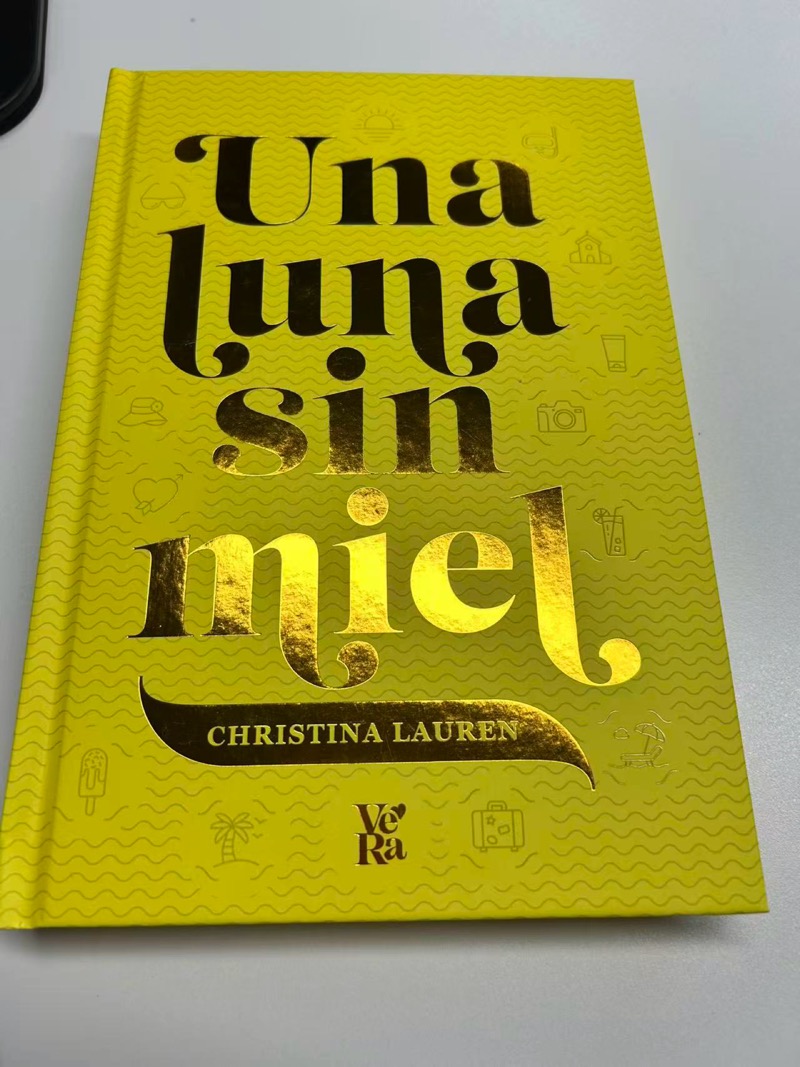
Instead of a metallic surface, the edge may display a solid colour, a gradient, a pattern, flowers, stars, maps, character silhouettes, or a design connected to the book cover.
Printed edges are especially popular for fantasy, romance, young adult books, collector’s editions, and special-edition hardcovers. They can also be used for premium children’s books when the design supports the title.
Typical Printed-Edge Production Steps
1. Producing and Aligning the Book Block
The book block is completed and tightly aligned. Accurate page alignment is essential because the artwork will be applied across the outer edge of many pages.
2. Trimming the Page Edges
The exposed edges are trimmed cleanly. Uneven trimming can affect print sharpness and make the edge design look irregular.
3. Clamping and Protecting the Book Block
The book block is compressed securely. The cover, spine area, and internal pages may need protection during the edge-printing process to prevent unintended marks.
4. Applying a Base Colour or Coating
For solid-colour edges, a coloured coating may be applied directly. For detailed edge artwork, a base layer may be needed to improve colour brightness and image quality.
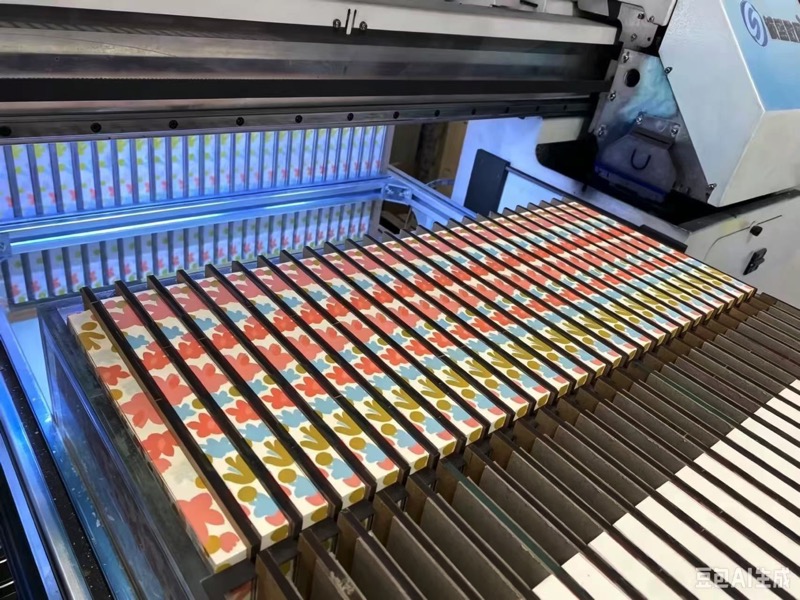
5. Printing or Spraying the Edge Design
The selected design is applied to the outer page edge. This may be a simple solid colour, metallic colour, gradient, pattern, or detailed artwork.
The complexity of the design affects production time and cost. Detailed images require good page alignment and more precise control than a single solid colour.
6. Drying and Curing
The coloured edge must dry or cure fully before the book is opened, packed, or further processed. Proper curing helps reduce rubbing, colour transfer, and cracking.
7. Final Inspection
The finished book edge is checked for colour coverage, image alignment, consistency, edge cleanliness, and possible marks on the cover or pages.
Main Differences Between Gilded Edges and Printed Edges
Feature Gilded Book Edges Printed or Coloured Book Edges
Main visual effect Metallic, premium, luxury appearance Coloured, artistic, graphic appearance
Common colours Gold, silver, copper, metallic tones Any solid colour, gradient, pattern, or artwork
Best for Gift editions, religious books, luxury hardcovers, journals Fantasy, young adult, collector’s editions, themed books
Surface appearance Metallic shine or satin metallic finish Matte, satin, glossy, or printed visual effect
Design flexibility Usually limited to metallic colour effects High flexibility for illustrations, patterns, and branding
Production requirement Smooth edge preparation and metallic finishing Accurate alignment, colour control, printing or spraying process
Cost influence Depends on metallic material and finishing method Depends on colour coverage and complexity of artwork
Which Option Should Publishers Choose?
Gilded edges are a strong choice when the goal is elegance, luxury, tradition, or gift value. They work particularly well with premium hardcovers, special editions, devotional books, wedding books, journals, and commemorative publications.
Printed edges are more suitable when the page edge itself should become part of the visual storytelling. They can extend a cover illustration, reveal a hidden pattern, match a series identity, or create a collector’s-edition effect.
Before confirming either process, publishers should provide the printer with:
– Final book size
– Page count
– Paper type and paper weight
– Binding method
– Cover specification
– Edge colour or artwork
– Desired finish level
– Estimated order quantity
– Packaging requirements
A physical sample is strongly recommended for premium projects because edge appearance can vary depending on paper, page alignment, artwork coverage, and finishing method.
For publishers planning premium hardcovers, special editions, or collectible children’s books, book-edge decoration can add meaningful shelf appeal and gift value when it is selected carefully and produced with the right materials and process.


