
When planning a children’s book project, one of the first decisions is choosing between offset printing and digital printing. Each method has unique advantages depending on your quantity, budget, and production timeline.
️ Offset Printing
Offset printing transfers ink from printing plates to paper.
Advantages
- Outstanding image quality
- Accurate color matching
- Lower cost for large quantities
- Wide range of specialty finishes
Best For
- 1,000+ copies
- Retail publishers
- Educational publishers
- International distribution
Digital Printing
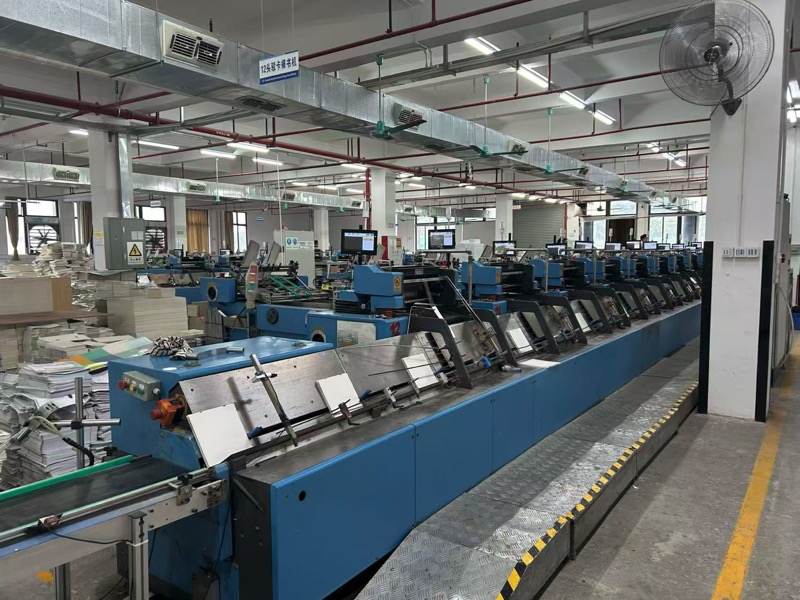
Digital printing prints directly from digital files without printing plates.
Advantages
- Fast turnaround
- Lower setup costs
- Ideal for prototypes
- Print-on-demand capability
Best For
- 50–500 copies
- Sample production
- Kickstarter campaigns
- Market testing
Cost Comparison
表格
| Quantity | Digital | Offset |
|---|---|---|
| 100 | Lower | Higher |
| 500 | Similar | Similar |
| 1,000 | Higher | Lower |
| 5,000 | Much Higher | Much Lower |
Print Quality
Offset generally delivers:
- Sharper images
- Better solid colors
- More consistent color reproduction
- Superior durability
Which Should You Choose?
Choose Digital if you need:
- Small quantities
- Fast delivery
- Prototype samples
Choose Offset if you need:
- Large production runs
- Premium quality
- Lowest cost per unit
Final Thoughts
Most children’s board books sold commercially are produced using offset printing because it offers the best combination of quality, durability, and cost efficiency for medium to large production runs.


